


Views: 0 Author: Site Editor Publish Time: 2026-10-30 Origin: Site


Flexible bronchoscopes are essential airway tools for pulmonology, critical care, emergency and interventional bronchoscopy. Many clinical buyers struggle to choose between video (electronic) bronchoscopes and traditional fiberoptic bronchoscopes. They look similar at first glance, yet their imaging principles, workflow, long-term maintenance and ideal clinical scenarios differ greatly.
This buying guide breaks down core technical differences, pros & cons, and practical selection rules for procurement teams, hospital engineers and endoscopy department managers.
The biggest distinction comes from how each scope captures and transmits images.
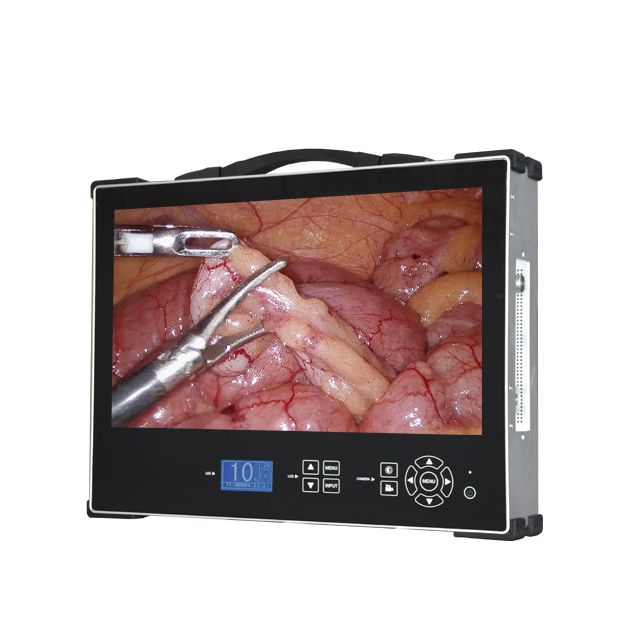
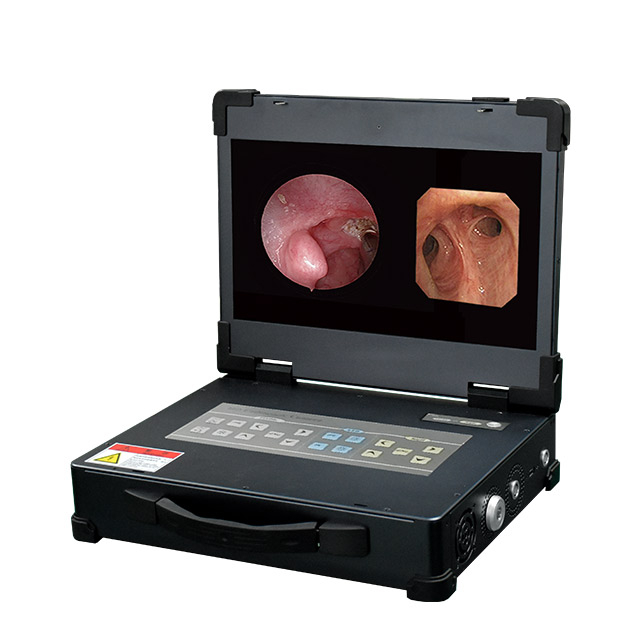
Video Bronchoscope (Electronic Bronchoscope) A tiny CCD or CMOS digital sensor sits at the distal tip. It captures images locally and sends digital signals back to the processor unit. The system outputs clean HD or 4K video on a monitor. It supports digital zoom, real-time recording, snapshot capture, teaching display and remote consultation.
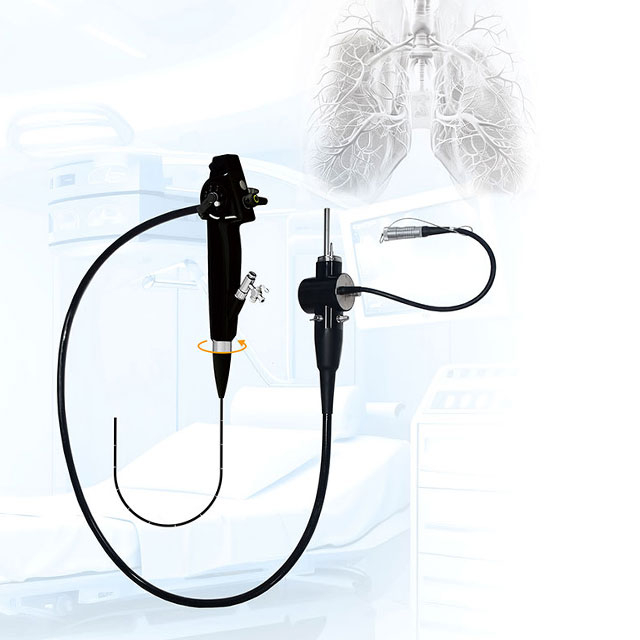
Fiberoptic Bronchoscope It uses a coherent fiber bundle to transmit optical images to the eyepiece. No built-in digital sensor. Operators view directly through the eyepiece, or attach an external camera adapter for screen output. It requires no main processor unit, making it lightweight and rapidly deployable. Its image quality is limited by the fixed fiber count of the bundle.
Comparison Item | Video Bronchoscope | Fiberoptic Bronchoscope |
|---|---|---|
Image Resolution | High, HD / 4K compatible | Moderate, capped by fiber bundle density |
Image Stability | Consistent digital signal; no gradual degradation | Image fades over time; broken fibers create permanent black dots |
Portability | Requires processor + light source + monitor system | Ultra-light, works standalone for bedside use |
Maintenance & Service Cost | Higher. Precision electronic components, longer repair turnaround | Lower base structure cost; full fiber bundle replacement needed once heavily dotted |
Documentation & Teaching | Native video recording, image capture, multi-screen teaching | External camera adapter required; recorded quality is limited |
Primary Clinical Fit | Endoscopy suite, interventional bronchoscopy, detailed diagnostic work | ICU bedside, emergency airway management, field use, primary care & mobile clinics |
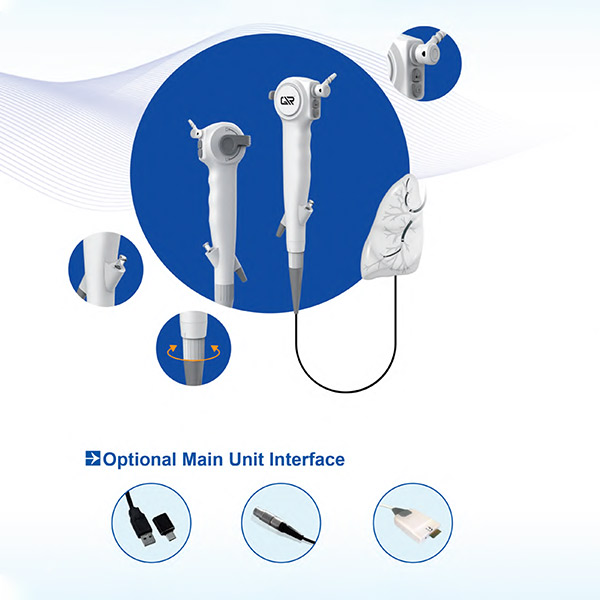
If your hospital runs a dedicated bronchoscopy suite and performs regular interventional procedures, video bronchoscopy is the core investment. High-resolution digital visualization supports precise biopsy, lesion assessment and therapeutic interventions. Built-in recording streamlines case documentation, peer review and resident training. It aligns with long-term department development and audit requirements.
Fiberoptic bronchoscopes shine in rapid-response scenarios. Without a processor cart, clinicians can set up in seconds for difficult intubation, airway assessment and suction at the bedside. It is ideal for emergency departments, ICU resuscitation and transfer scenarios.
For primary hospitals, outreach campaigns and mobile medical teams, fiberoptic models deliver reliable airway visualization with lower ongoing maintenance burden. They avoid the high upfront system cost of a full video stack.
Video bronchoscope: Higher CAPEX for the full stack (processor, light source, monitor, scope). Budget for extended warranty to cover expensive electronic repairs.
Fiberoptic bronchoscope: Lower upfront investment, but monitor the number of black dots. Once fiber breakage accumulates, the whole bundle needs replacement.
Best practice: Build a mixed fleet. Use video bronchoscopes as the primary workhorse in the endoscopy room, and keep fiberoptic scopes ready for emergency backup.
Video bronchoscopes deliver superior image quality, documentation capability and support for complex interventional bronchoscopy. Fiberoptic bronchoscopes remain irreplaceable for fast, lightweight, host-free bedside airway control.
There is no universal “better” option. The correct purchasing decision depends on your department’s main clinical volume, emergency airway needs, documentation requirements and service budget.
If you need custom configurations, specification sheets or quotation for flexible bronchoscopy systems, contact our team for tailored support.